Original: $65.00
-65%$65.00
$22.75The Story
United Nations Assistance Mission for Rwanda (UNAMIR)
The United Nations Assistance Mission for Rwanda (UNAMIR) was established on 5 October 1993 by Security Council Resolution 872 (1993). The mission was tasked with monitoring the ceasefire agreement between the Rwandan government and the Rwandan Patriotic Front, overseeing security, and assisting with the repatriation of refugees. UNAMIR also supported mine clearance, coordinated humanitarian assistance, and helped ensure the security of Kigali, Rwanda’s capital.
In the aftermath of the Rwandan Genocide in 1994, UNAMIR’s mandate expanded to include contributing to the security of personnel from the International Criminal Tribunal for Rwanda and human rights offices operating in the country. The mission also played a role in the establishment and training of a new, integrated national police force. The UNAMIR mandate concluded in March 1996.
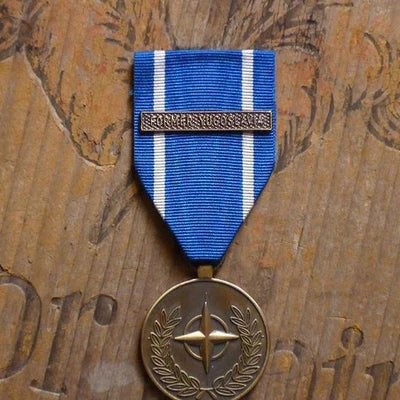
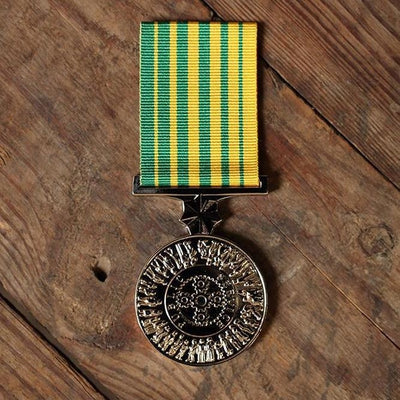
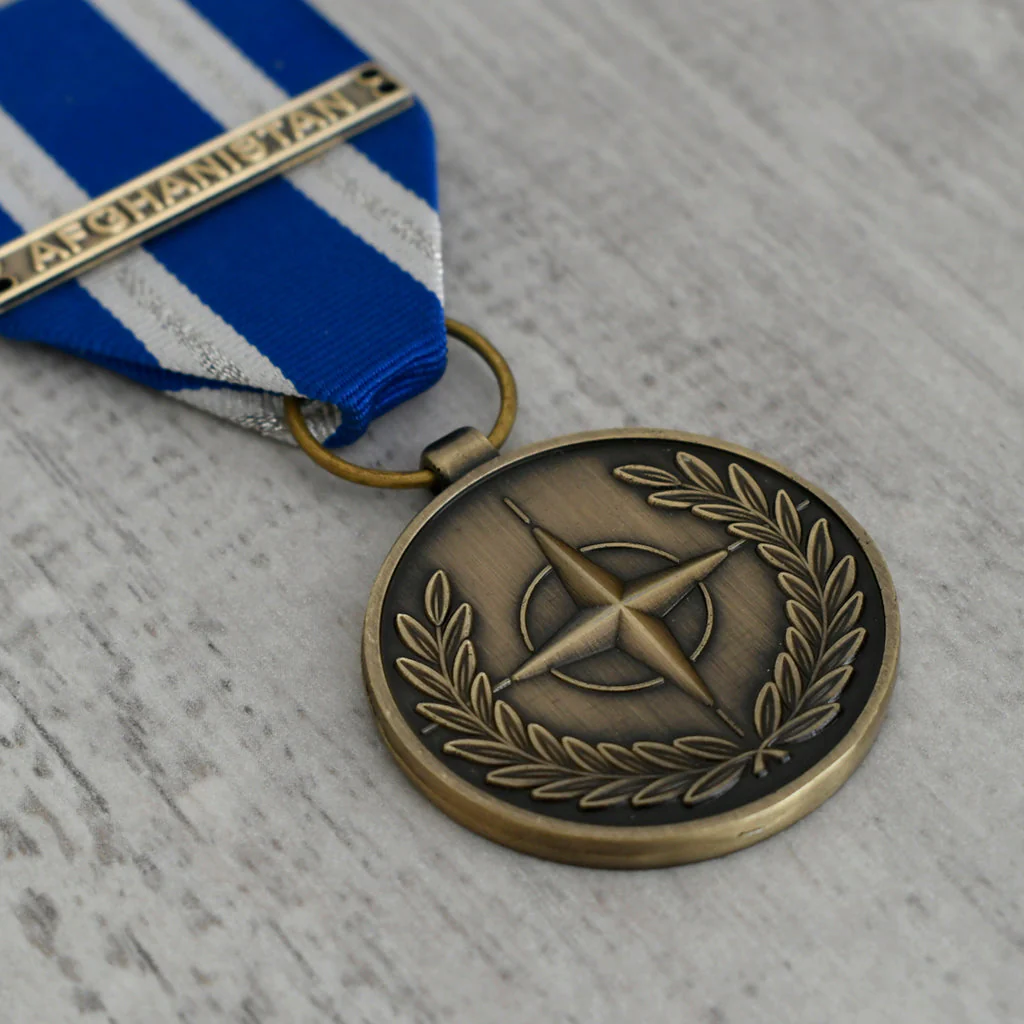
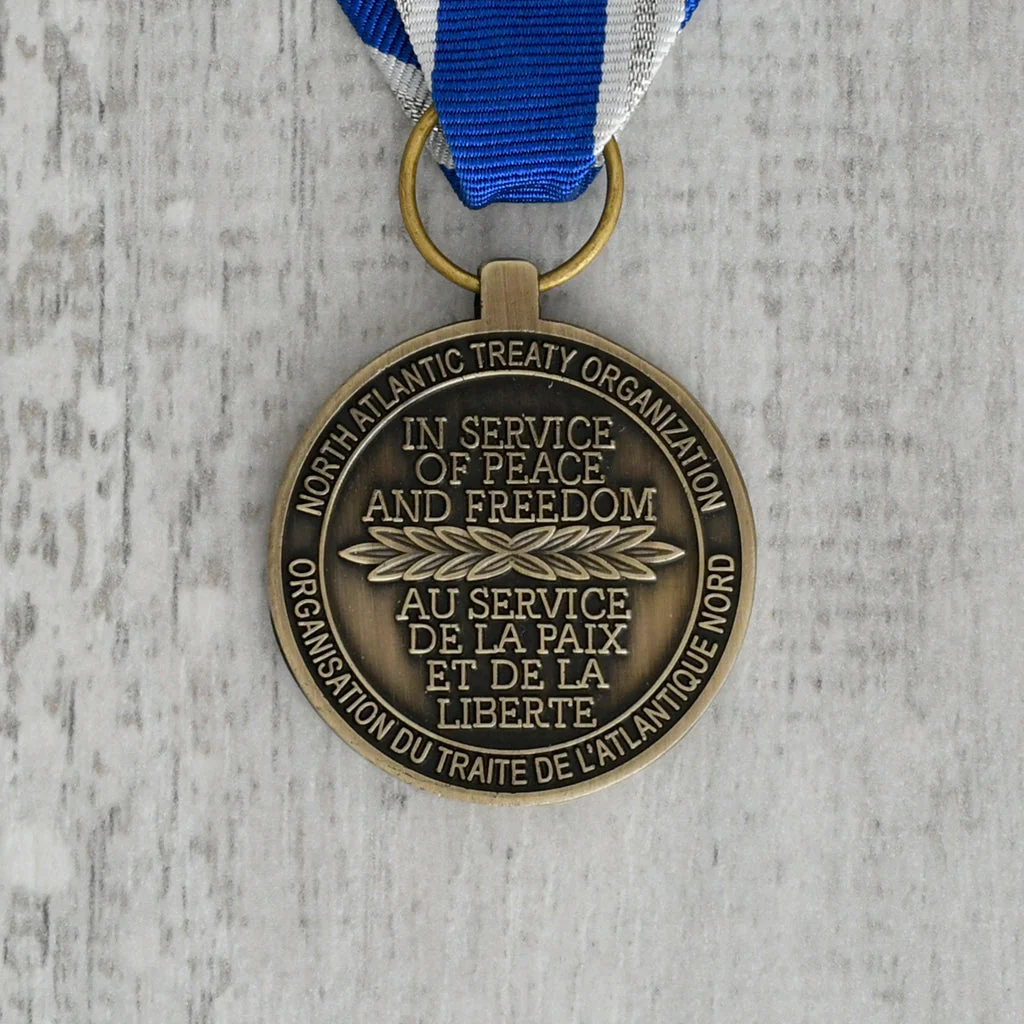
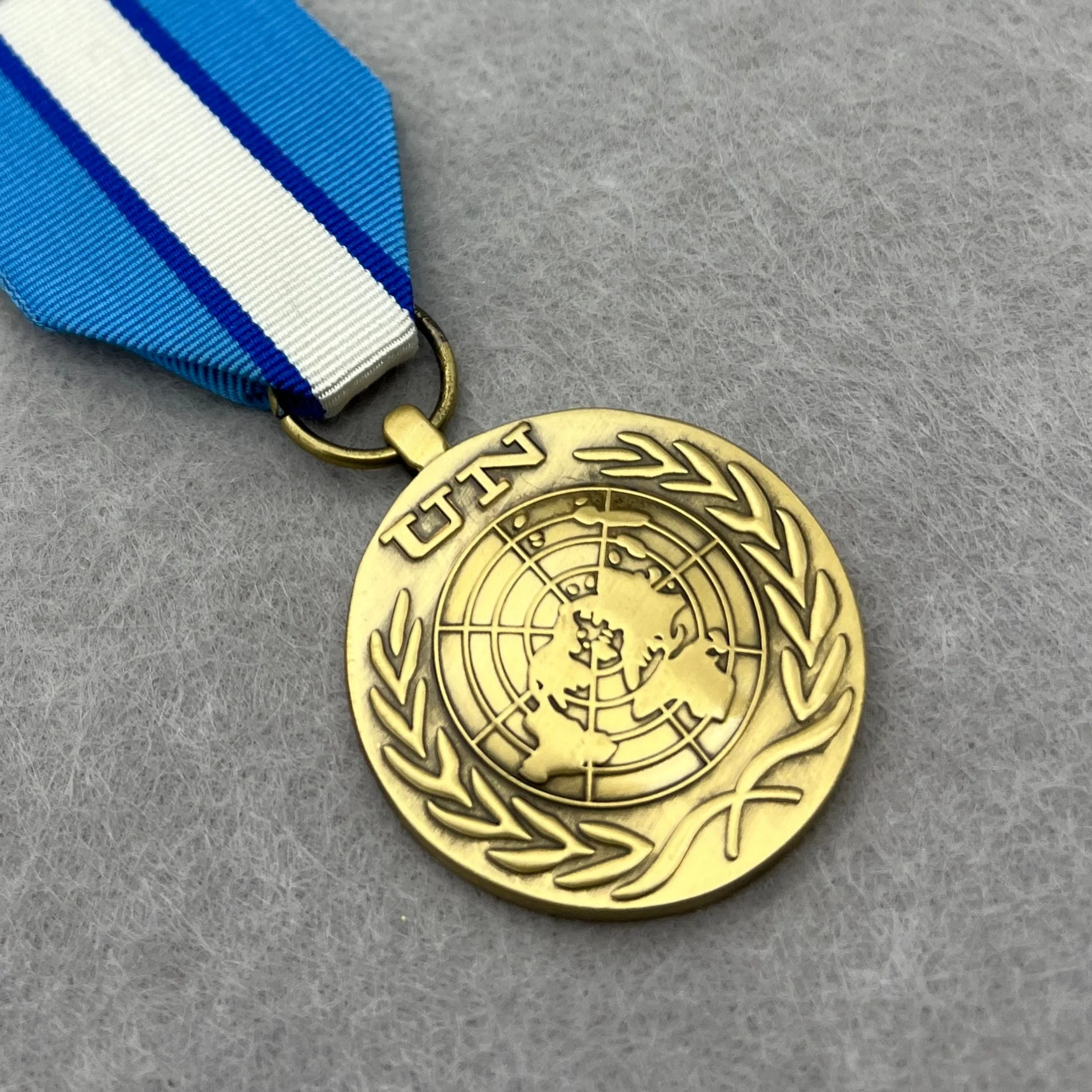
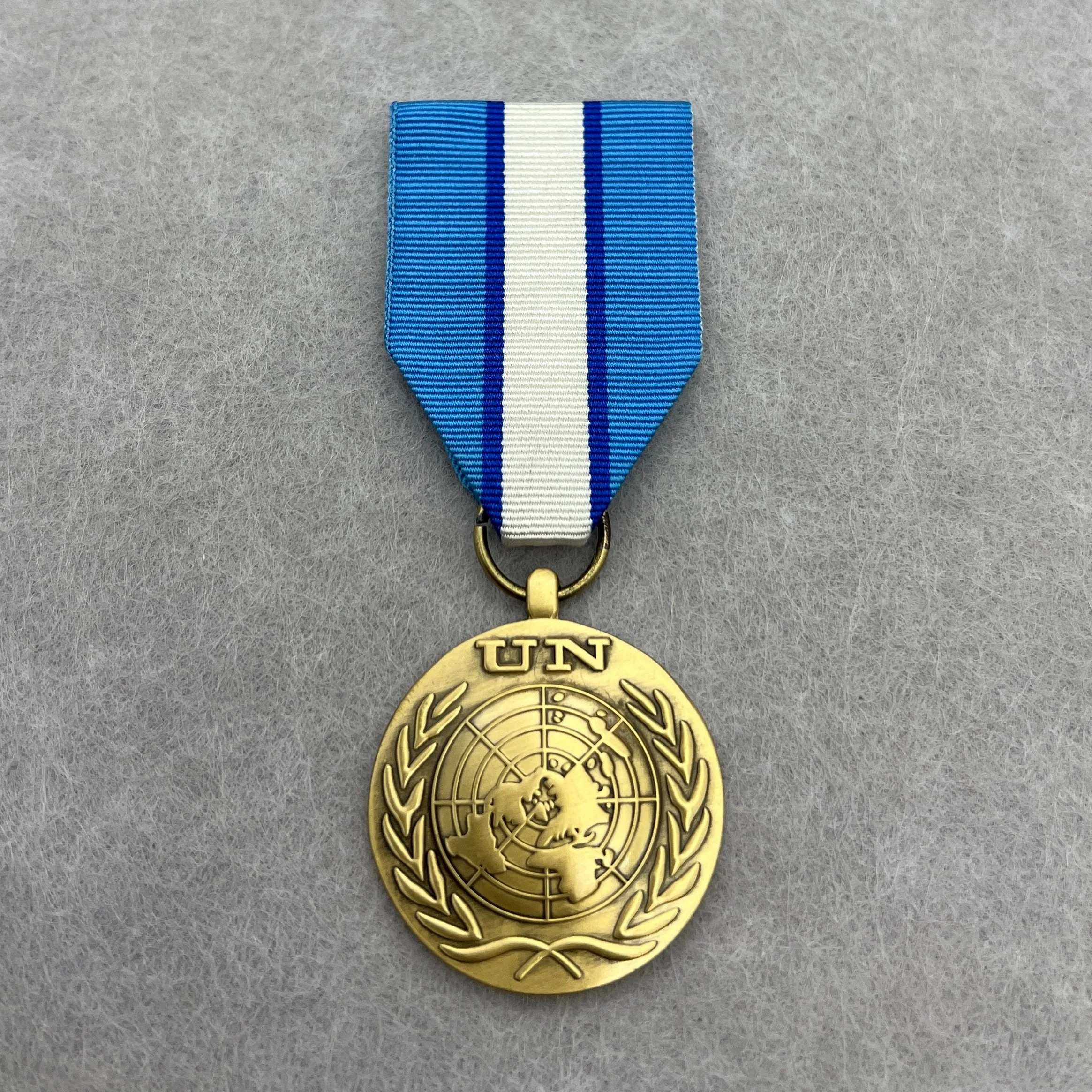
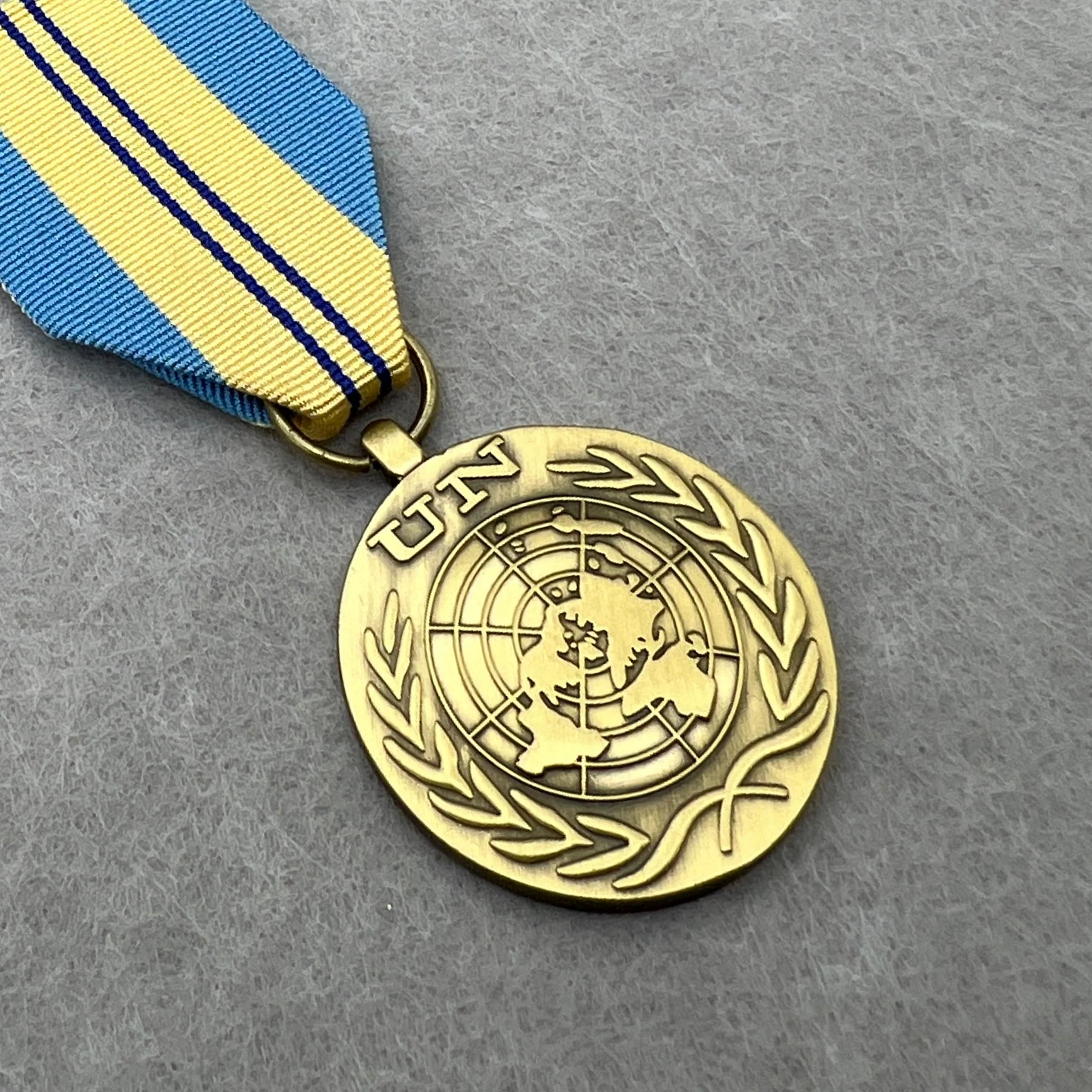
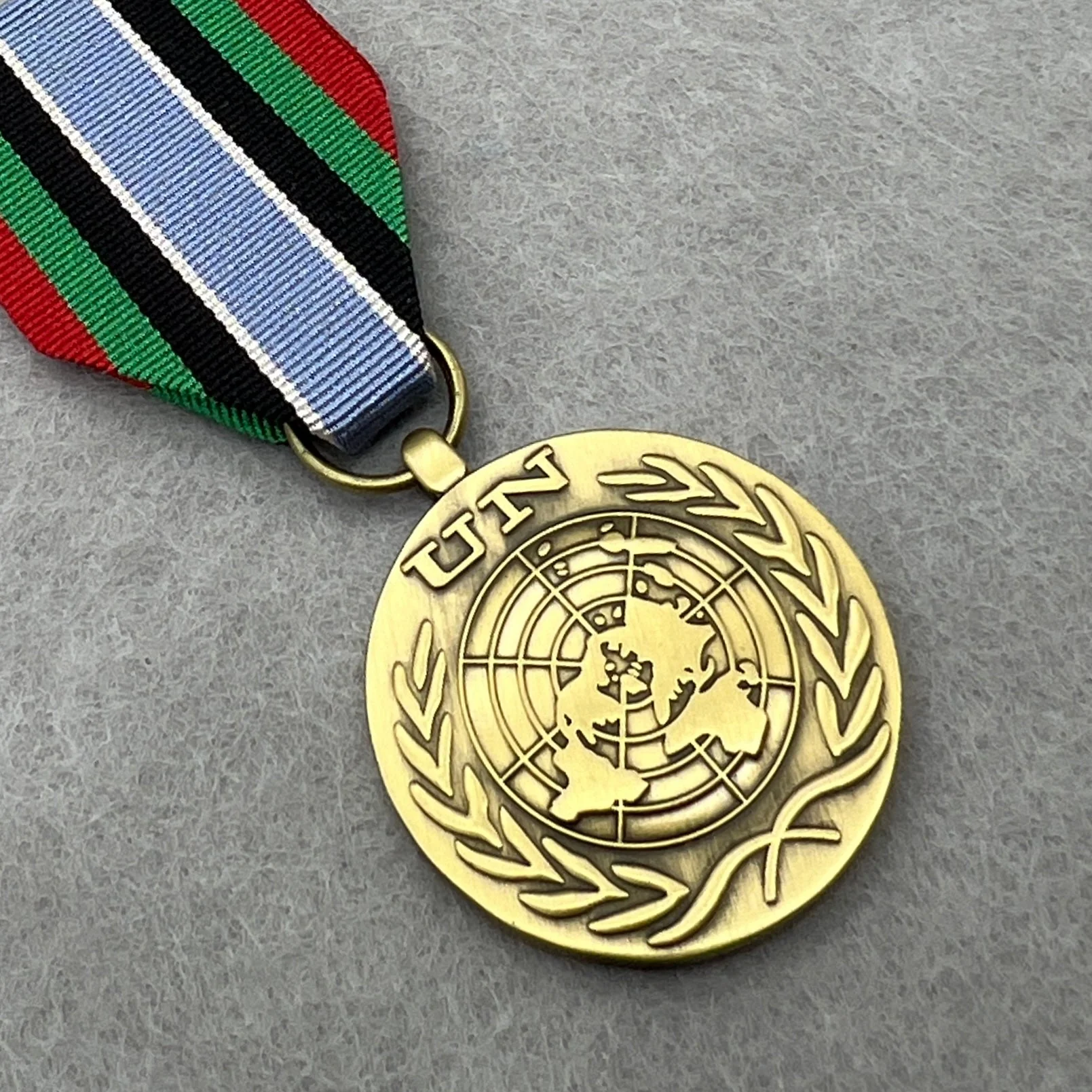
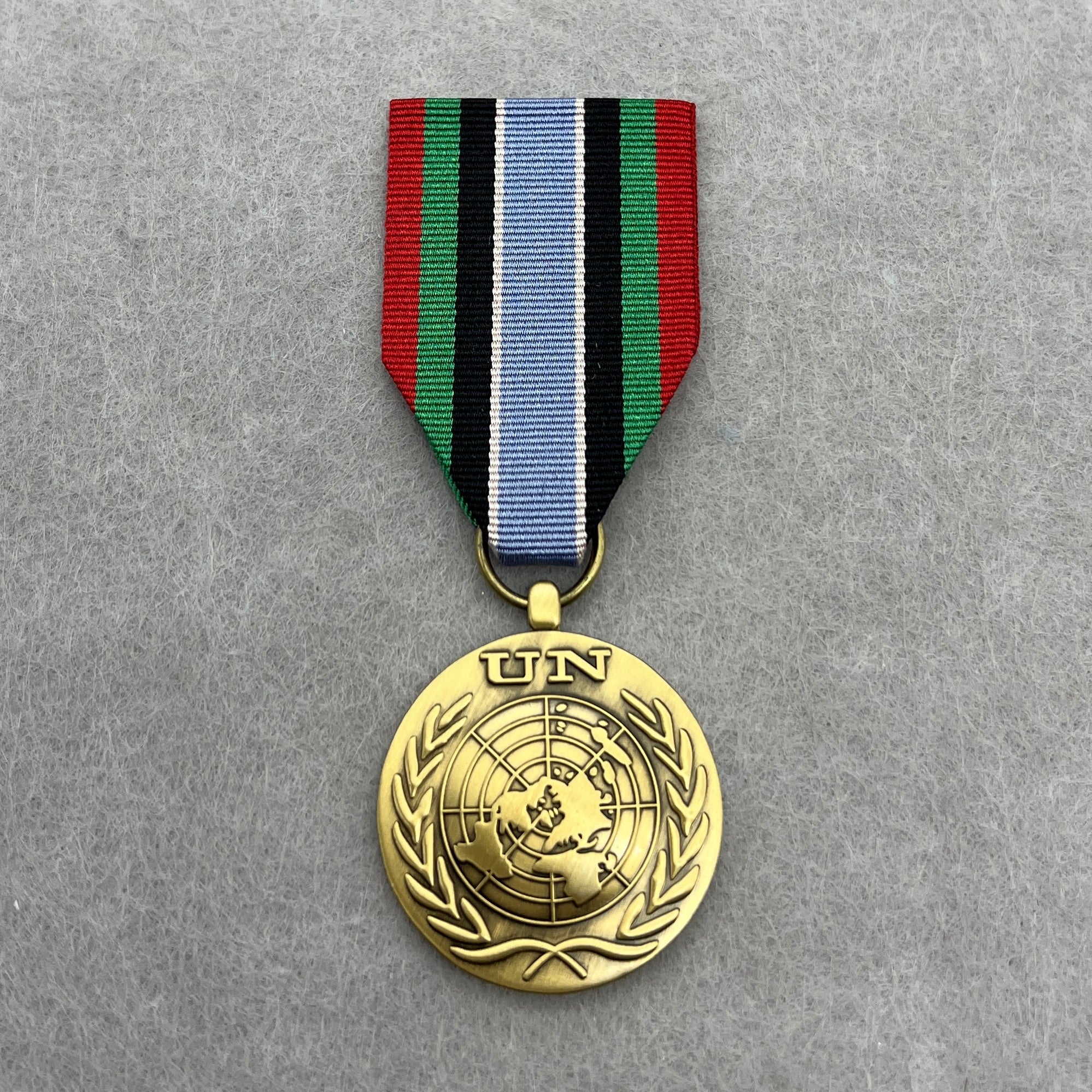
The UNAMIR medal was established in December 1993. The ribbon features a wide central stripe of UN blue, flanked by a narrow white stripe and three equal stripes of black, green, and red. These colours symbolise the region: black for the volcanic lava and the famous gorillas of the area, green for the local bush vegetation, and red for the African soil. A minimum of 90 days of service is required to qualify for the medal.
Countries that contributed troops, military observers, or police to UNAMIR include: Australia, Austria, Bangladesh, Belgium, Canada, Chad, Congo, Djibouti, Egypt, Ethiopia, Fiji, Ghana, Guinea, Guyana, India, Malawi, Mali, the Kingdom of the Netherlands, Niger, Nigeria, Poland, Romania, the Russian Federation, Senegal, Togo, Tunisia, the United Kingdom, Uruguay, and Zimbabwe.
Details & Craftsmanship
Every detail has been carefully considered to bring you the perfect product.
Description
United Nations Assistance Mission for Rwanda (UNAMIR)
The United Nations Assistance Mission for Rwanda (UNAMIR) was established on 5 October 1993 by Security Council Resolution 872 (1993). The mission was tasked with monitoring the ceasefire agreement between the Rwandan government and the Rwandan Patriotic Front, overseeing security, and assisting with the repatriation of refugees. UNAMIR also supported mine clearance, coordinated humanitarian assistance, and helped ensure the security of Kigali, Rwanda’s capital.
In the aftermath of the Rwandan Genocide in 1994, UNAMIR’s mandate expanded to include contributing to the security of personnel from the International Criminal Tribunal for Rwanda and human rights offices operating in the country. The mission also played a role in the establishment and training of a new, integrated national police force. The UNAMIR mandate concluded in March 1996.
The UNAMIR medal was established in December 1993. The ribbon features a wide central stripe of UN blue, flanked by a narrow white stripe and three equal stripes of black, green, and red. These colours symbolise the region: black for the volcanic lava and the famous gorillas of the area, green for the local bush vegetation, and red for the African soil. A minimum of 90 days of service is required to qualify for the medal.
Countries that contributed troops, military observers, or police to UNAMIR include: Australia, Austria, Bangladesh, Belgium, Canada, Chad, Congo, Djibouti, Egypt, Ethiopia, Fiji, Ghana, Guinea, Guyana, India, Malawi, Mali, the Kingdom of the Netherlands, Niger, Nigeria, Poland, Romania, the Russian Federation, Senegal, Togo, Tunisia, the United Kingdom, Uruguay, and Zimbabwe.