Original: $65.00
-65%$65.00
$22.75The Story
United Nations Protection Force (UNPROFOR) Croatia (UNCRO)
The United Nations Protection Force (UNPROFOR) was established in February 1992 as an interim measure to create the conditions of peace and security needed for negotiating a comprehensive settlement of the Yugoslav crisis. The role of UN troops was to ensure that designated "UN Protected Areas" (UNPAs) were demilitarized and that residents in these areas were protected from the threat of armed attacks. UN police monitors were tasked with ensuring that local police forces performed their duties without discrimination or human rights abuses. Additionally, UNPROFOR assisted UN humanitarian agencies in facilitating the voluntary return of displaced persons.
Over time, UNPROFOR’s mandate was expanded to cover several additional tasks, including:
- Reopening the Sarajevo airport for humanitarian purposes.
- Establishing a security zone around Sarajevo and its airport.
- Protecting convoys of released detainees in Bosnia and Herzegovina, as requested by the International Committee of the Red Cross.
- Monitoring the complete withdrawal of the Yugoslav Army from Croatia.
- Overseeing the demilitarization of the Prevlaka Peninsula and the removal of heavy weapons from surrounding areas in Croatia and Montenegro (Resolution 779, 1992).
- Monitoring compliance with the ban on military flights (Resolution 781, 1992).
- Establishing a UN presence in the former Yugoslav Republic of Macedonia.
UNPROFOR also monitored the implementation of ceasefire agreements, including one requested by the Bosnian Government and Bosnian-Croat forces in February 1994 and another between the Bosnian Government and Bosnian Serb forces, which took effect on 1 January 1995.
On 31 March 1995, the Security Council decided to restructure UNPROFOR into three separate but interrelated peacekeeping operations: UNCRO (United Nations Confidence Restoration Operation in Croatia), UNPREDEP (United Nations Preventive Deployment Force), and UNPF (United Nations Peace Forces) headquarters in Zagreb. Following positive developments in the former Yugoslavia and the establishment of two new UN missions in Bosnia-Herzegovina and Croatia, UNPF headquarters was phased out in January 1996.
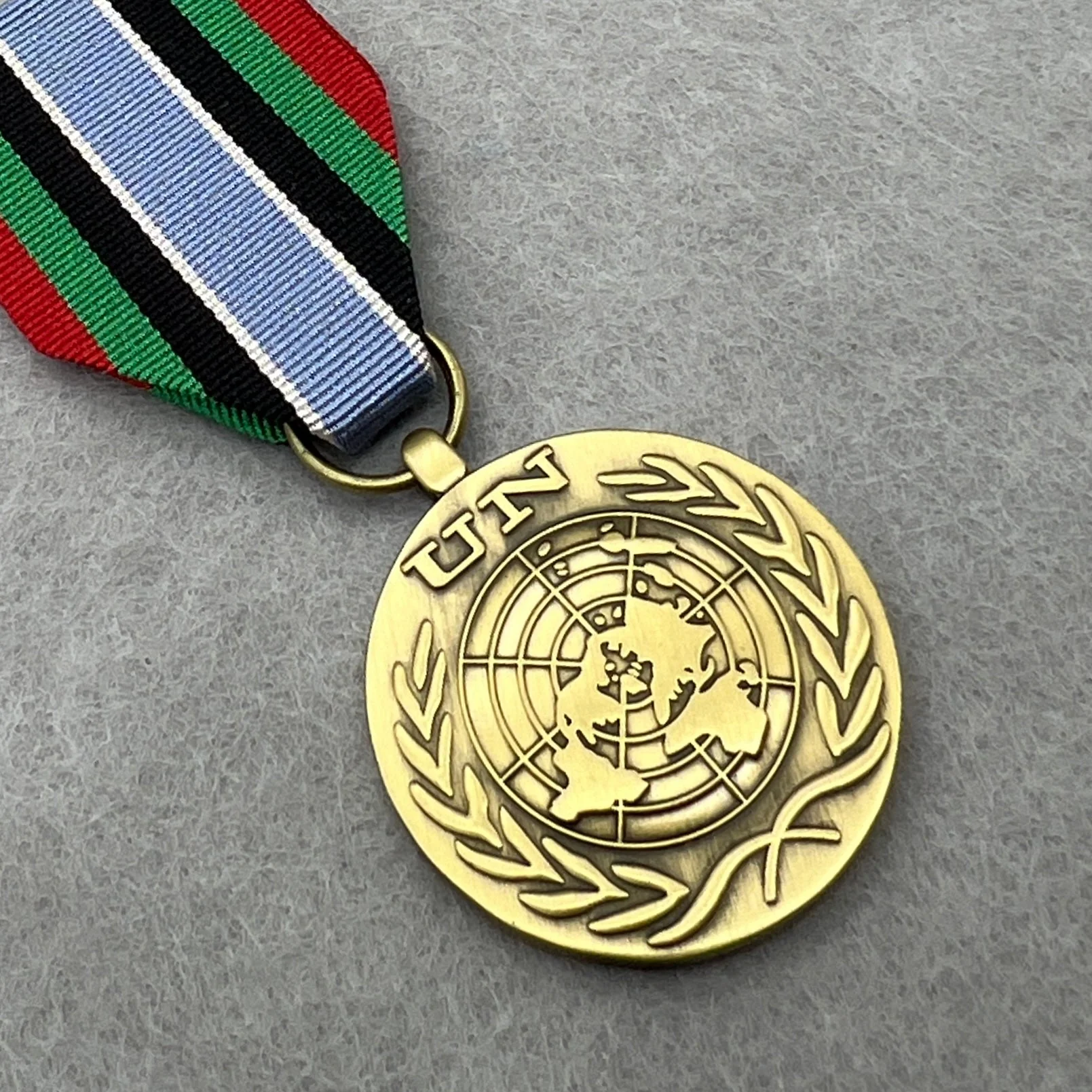
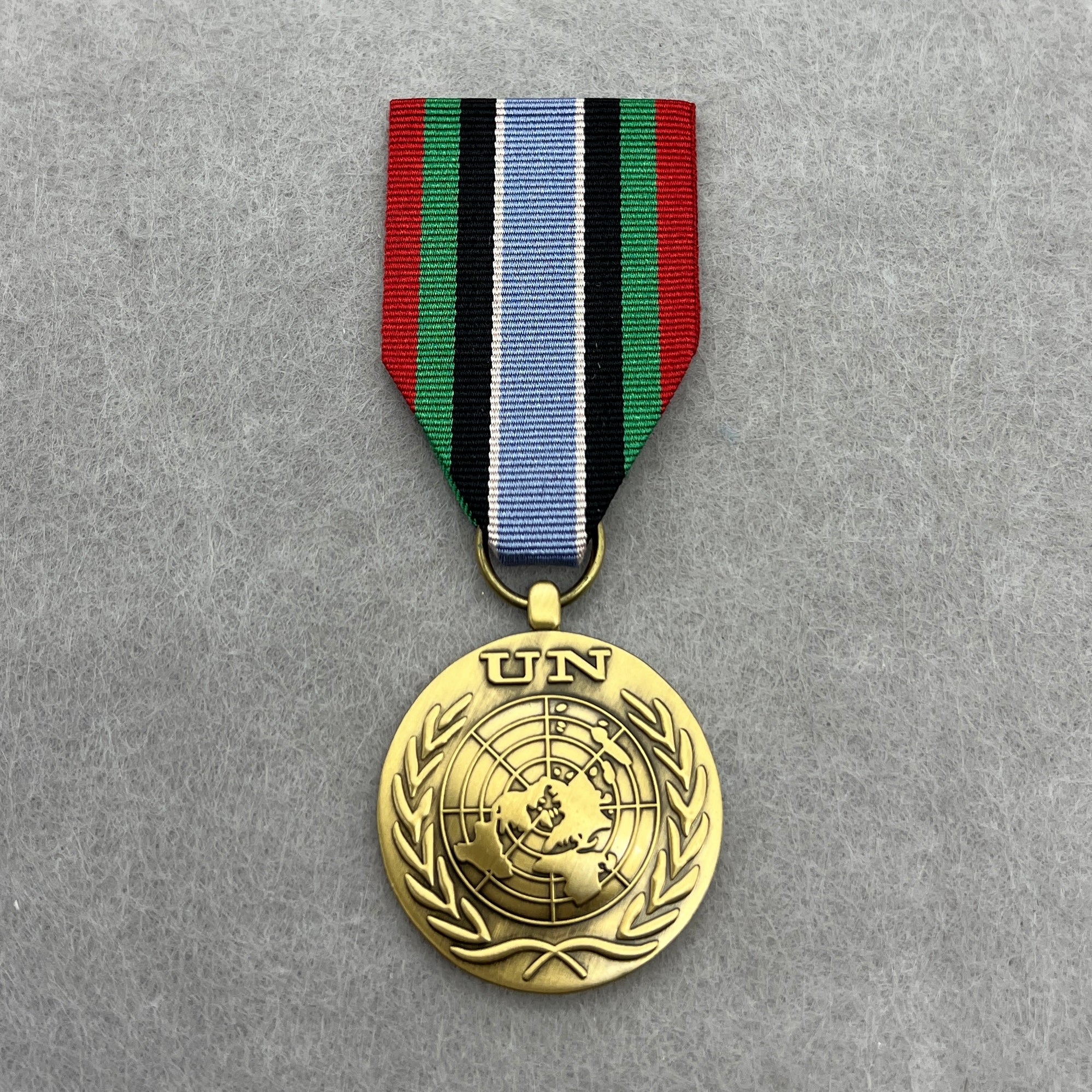
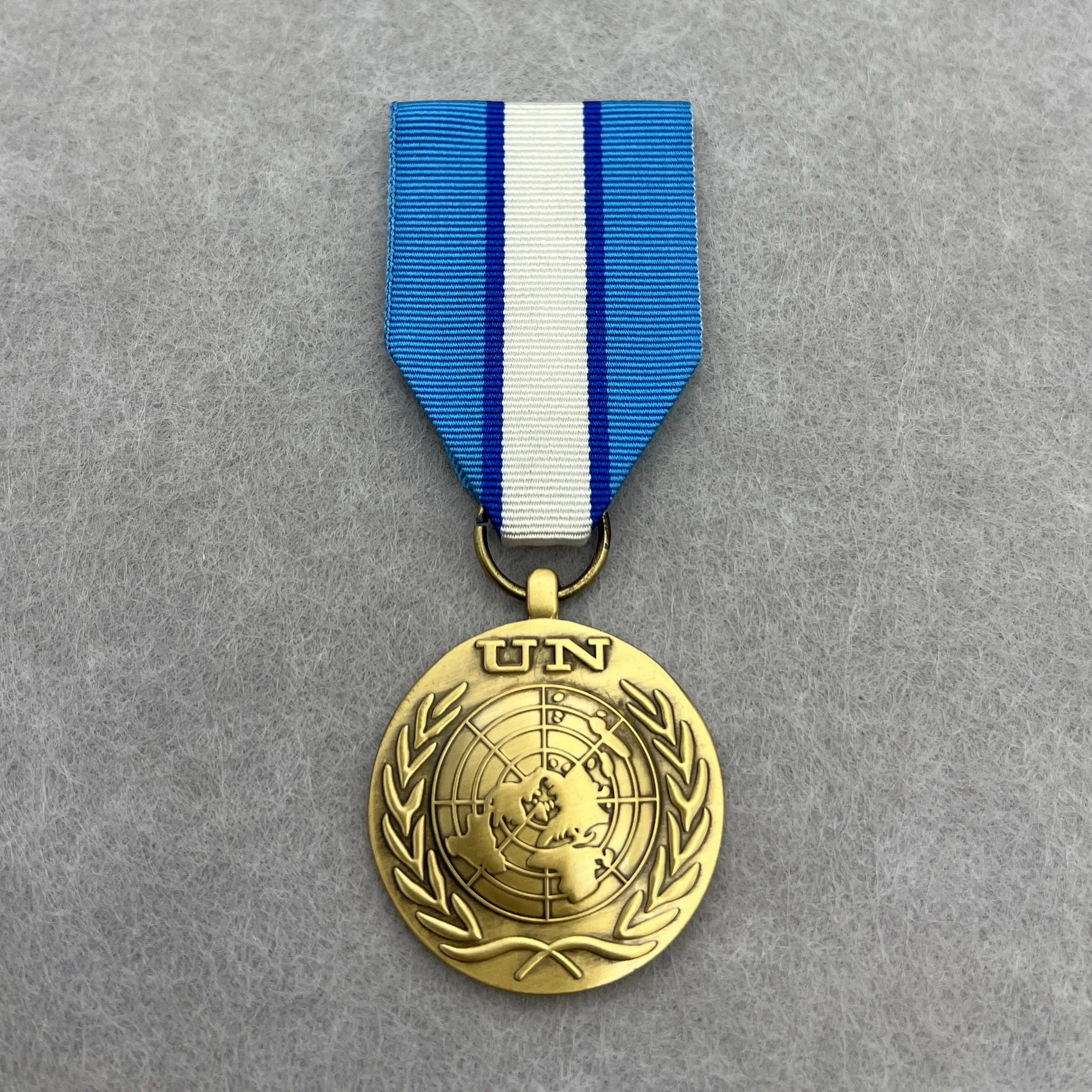
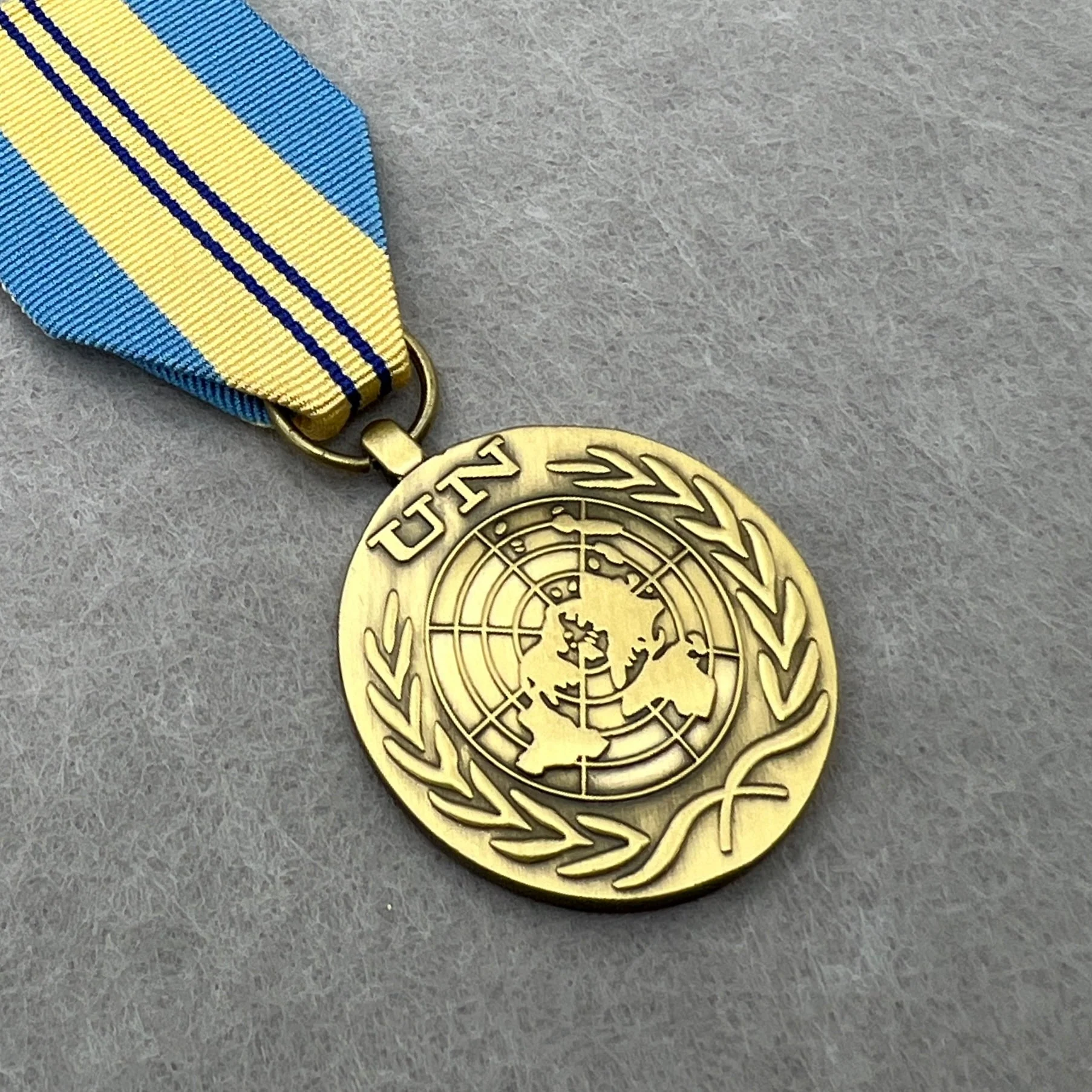
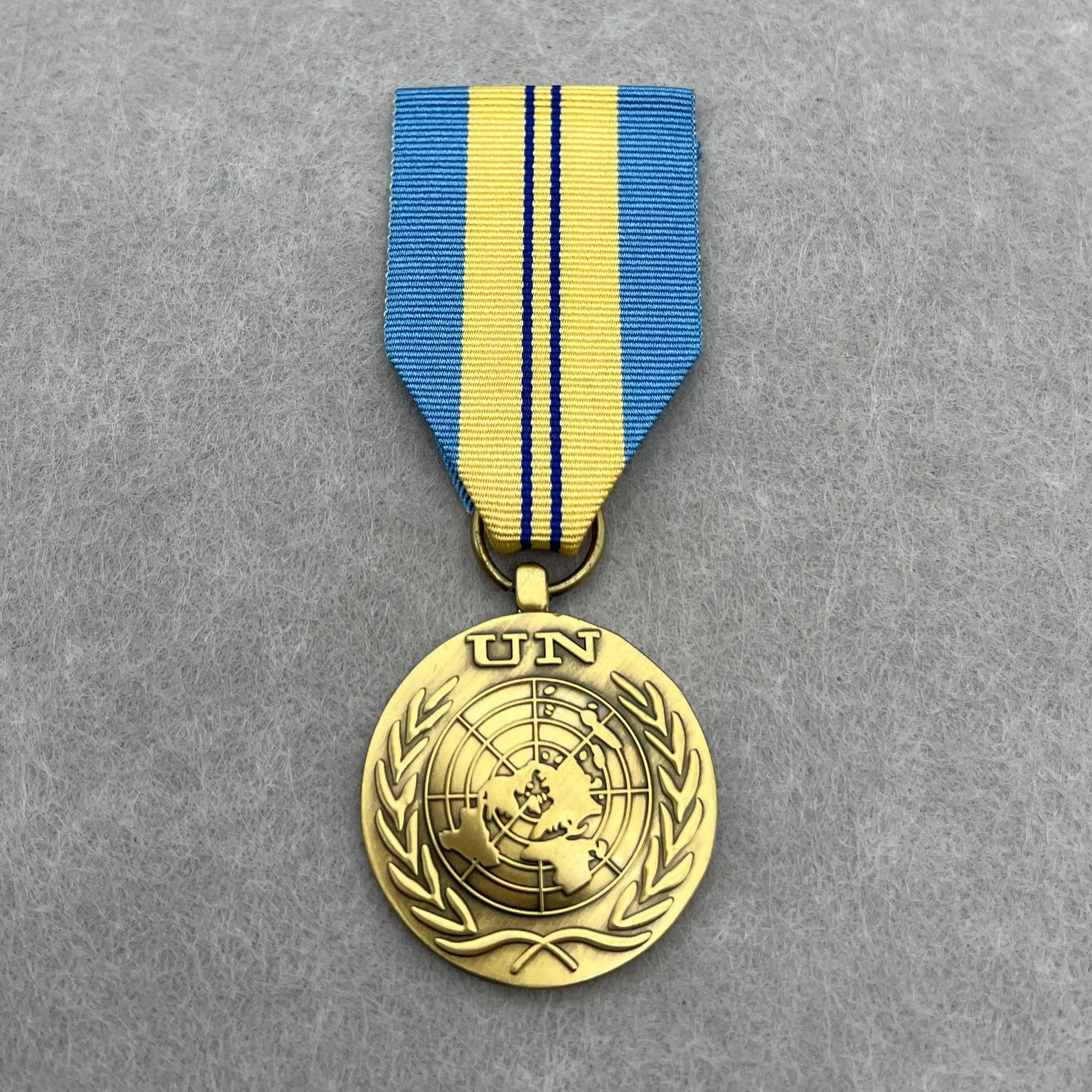
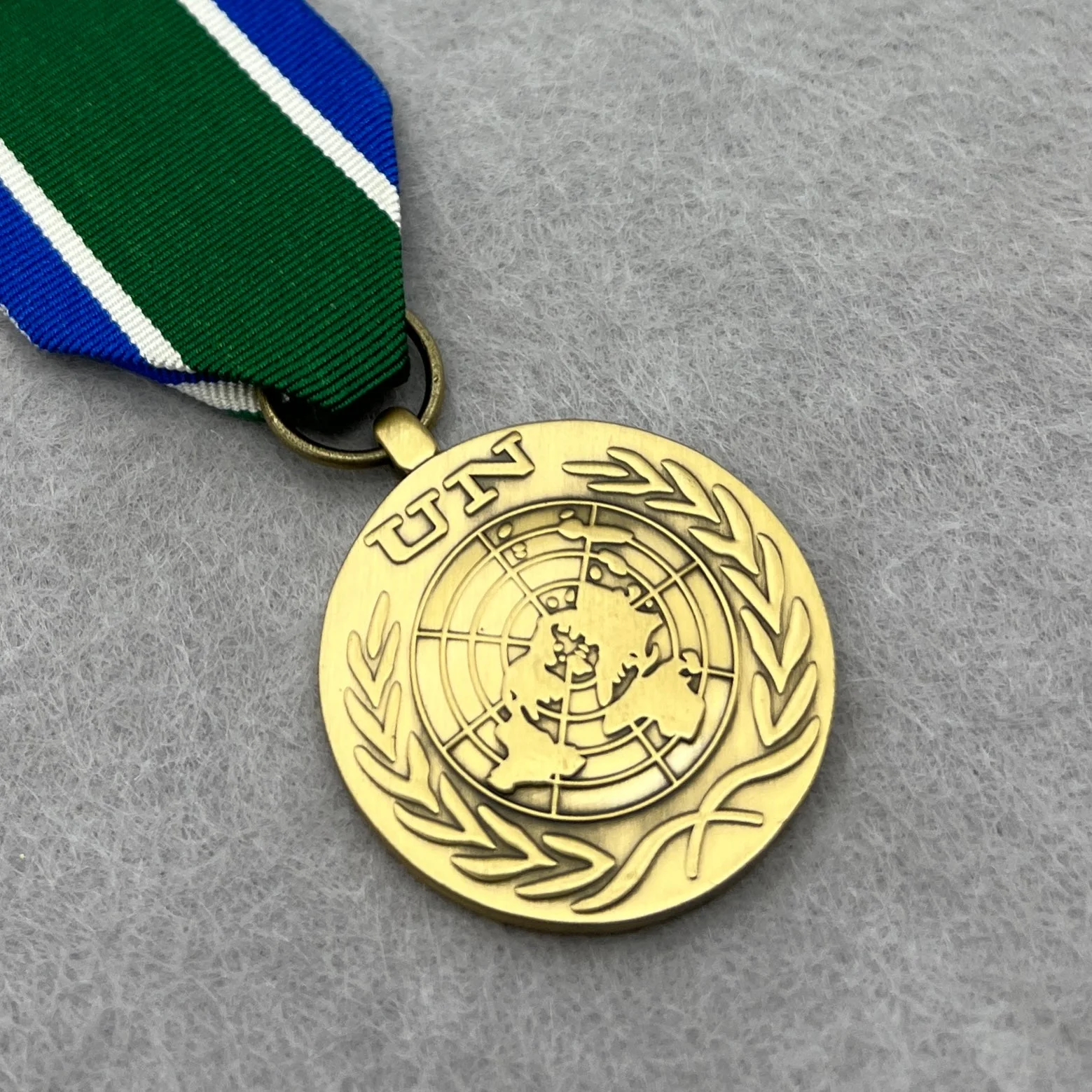
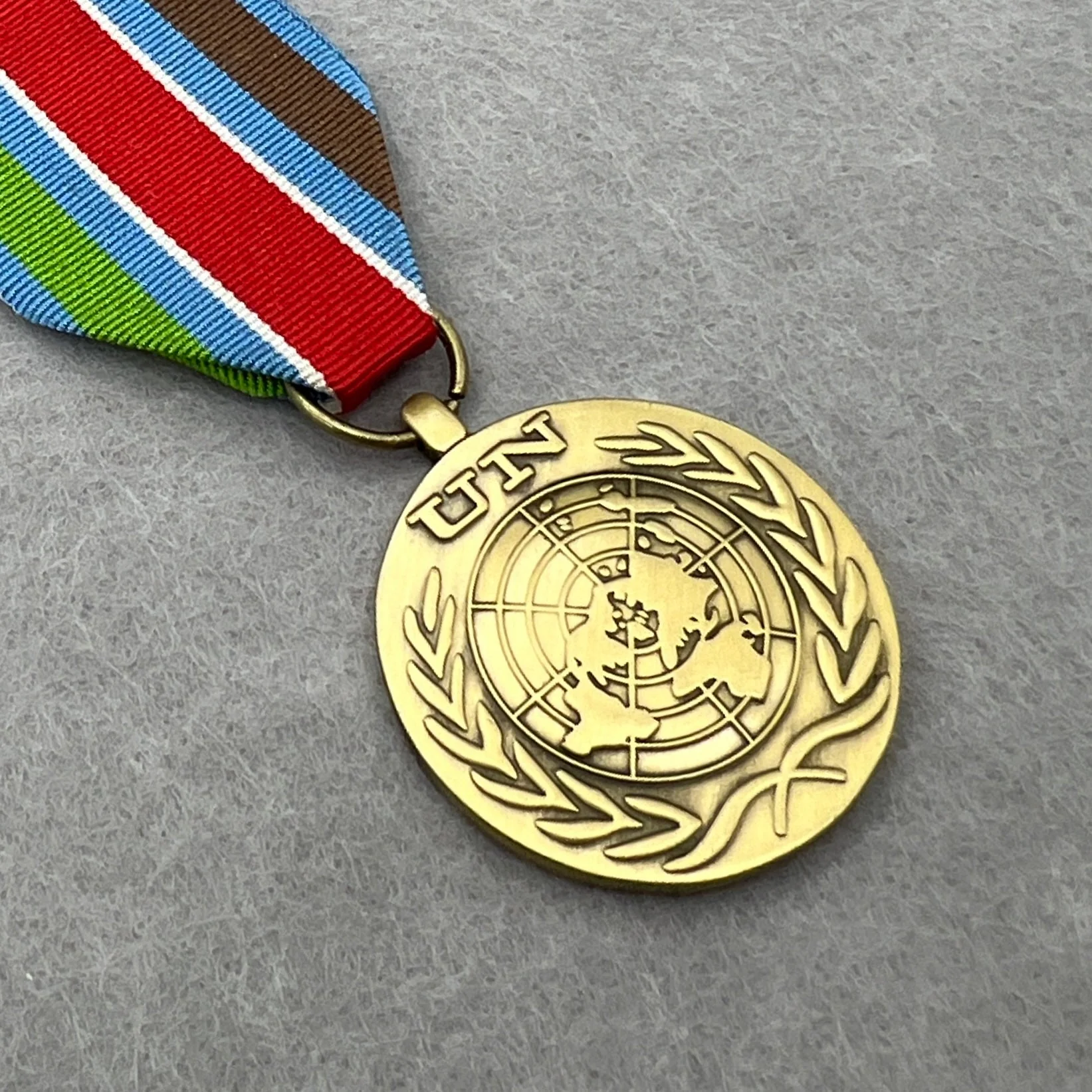
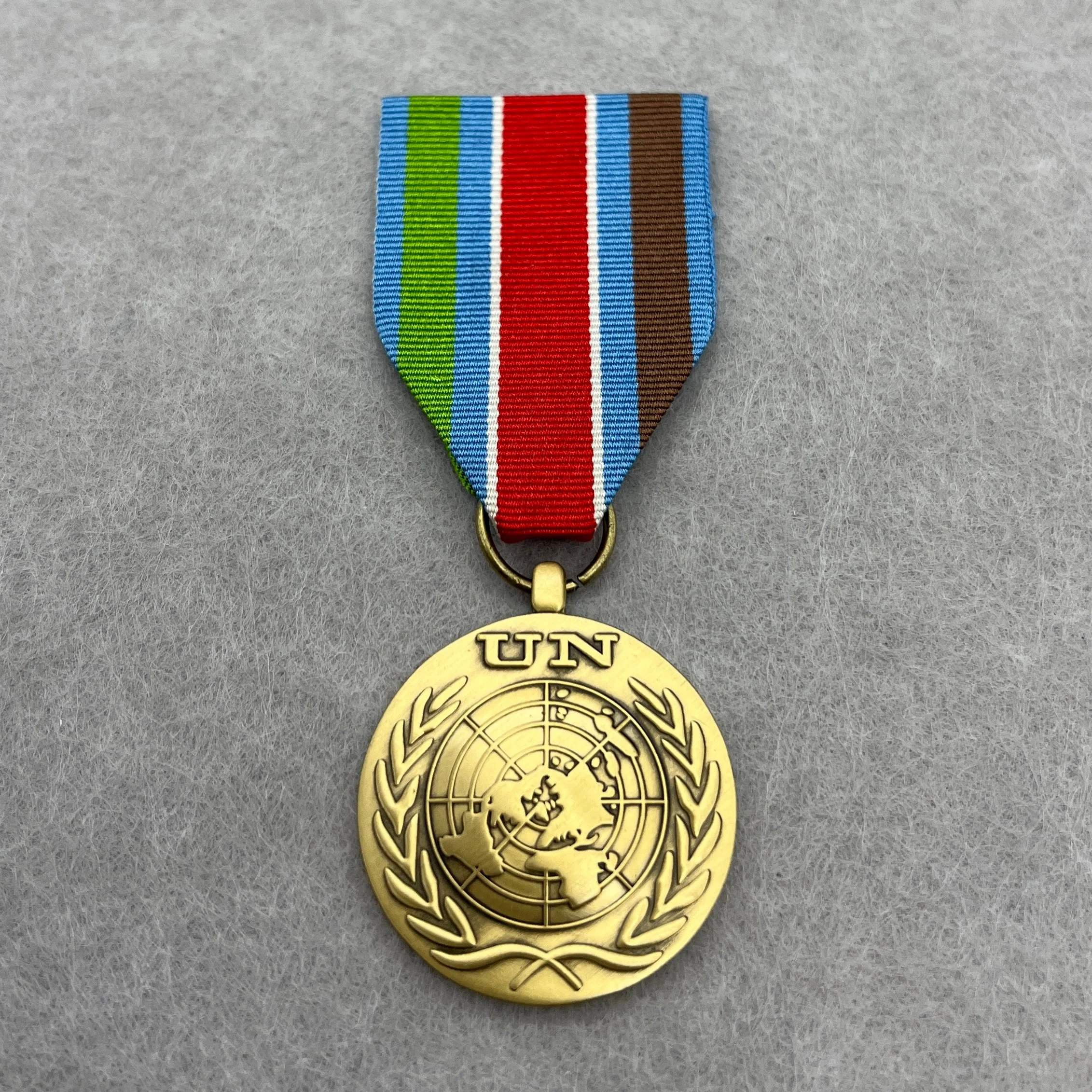
The UNPROFOR medal ribbon features a UN blue background, with a central wide red band symbolizing the United Nations Protected Areas (UNPAs), flanked by thin white stripes. On the left side is a narrow green band, representing forests, and on the right, a narrow brown band, symbolizing the mountains. A minimum of 90 days of service was required to qualify for the award.
Countries that contributed troops or observers to UNPROFOR included Argentina, Australia, Bangladesh, Belgium, Brazil, Canada, Colombia, Czechoslovakia, Denmark, Egypt, Finland, France, Ghana, India, Indonesia, Ireland, the Hashemite Kingdom of Jordan, Kenya, Luxembourg, Malaysia, Nepal, the Kingdom of the Netherlands, New Zealand, Nigeria, Norway, Pakistan, Poland, Portugal, the Russian Federation, Spain, Sweden, Switzerland, Tunisia, Turkey, the United Kingdom of Great Britain and Northern Ireland, the United States of America, Venezuela, and Ukraine.
Details & Craftsmanship
Every detail has been carefully considered to bring you the perfect product.
Description
United Nations Protection Force (UNPROFOR) Croatia (UNCRO)
The United Nations Protection Force (UNPROFOR) was established in February 1992 as an interim measure to create the conditions of peace and security needed for negotiating a comprehensive settlement of the Yugoslav crisis. The role of UN troops was to ensure that designated "UN Protected Areas" (UNPAs) were demilitarized and that residents in these areas were protected from the threat of armed attacks. UN police monitors were tasked with ensuring that local police forces performed their duties without discrimination or human rights abuses. Additionally, UNPROFOR assisted UN humanitarian agencies in facilitating the voluntary return of displaced persons.
Over time, UNPROFOR’s mandate was expanded to cover several additional tasks, including:
- Reopening the Sarajevo airport for humanitarian purposes.
- Establishing a security zone around Sarajevo and its airport.
- Protecting convoys of released detainees in Bosnia and Herzegovina, as requested by the International Committee of the Red Cross.
- Monitoring the complete withdrawal of the Yugoslav Army from Croatia.
- Overseeing the demilitarization of the Prevlaka Peninsula and the removal of heavy weapons from surrounding areas in Croatia and Montenegro (Resolution 779, 1992).
- Monitoring compliance with the ban on military flights (Resolution 781, 1992).
- Establishing a UN presence in the former Yugoslav Republic of Macedonia.
UNPROFOR also monitored the implementation of ceasefire agreements, including one requested by the Bosnian Government and Bosnian-Croat forces in February 1994 and another between the Bosnian Government and Bosnian Serb forces, which took effect on 1 January 1995.
On 31 March 1995, the Security Council decided to restructure UNPROFOR into three separate but interrelated peacekeeping operations: UNCRO (United Nations Confidence Restoration Operation in Croatia), UNPREDEP (United Nations Preventive Deployment Force), and UNPF (United Nations Peace Forces) headquarters in Zagreb. Following positive developments in the former Yugoslavia and the establishment of two new UN missions in Bosnia-Herzegovina and Croatia, UNPF headquarters was phased out in January 1996.
The UNPROFOR medal ribbon features a UN blue background, with a central wide red band symbolizing the United Nations Protected Areas (UNPAs), flanked by thin white stripes. On the left side is a narrow green band, representing forests, and on the right, a narrow brown band, symbolizing the mountains. A minimum of 90 days of service was required to qualify for the award.
Countries that contributed troops or observers to UNPROFOR included Argentina, Australia, Bangladesh, Belgium, Brazil, Canada, Colombia, Czechoslovakia, Denmark, Egypt, Finland, France, Ghana, India, Indonesia, Ireland, the Hashemite Kingdom of Jordan, Kenya, Luxembourg, Malaysia, Nepal, the Kingdom of the Netherlands, New Zealand, Nigeria, Norway, Pakistan, Poland, Portugal, the Russian Federation, Spain, Sweden, Switzerland, Tunisia, Turkey, the United Kingdom of Great Britain and Northern Ireland, the United States of America, Venezuela, and Ukraine.